H2O to Achievement: Integrating Water-Based Activities and Aquatics Training Into Your Scout Troop Program
Water-based programming has long been a cornerstone of scouting in the United States. From the earliest days of the movement, teaching young people to respect, navigate, and thrive around water has been considered a foundational life skill. Today, aquatics training encompasses everything from basic swim classification tests to advanced merit badges in Lifesaving, Swimming, and Rowing — each designed to build competence and character in equal measure.
For troop leaders and program coordinators listed in the ScoutDB directory, understanding how to responsibly plan and execute aquatics activities is essential. Whether your troop is heading to a summer camp with a certified waterfront or organizing a local canoe outing, preparation and compliance with established safety standards are non-negotiable.
Understanding Swim Classification and Why It Matters
Before any scout enters the water in an organized troop activity, a swim classification test must be administered by a certified aquatics supervisor. The three standard classifications — Swimmer, Beginner, and Non-Swimmer — determine which activities a youth participant may safely engage in and where they are permitted to be positioned in or around the water.
- Swimmer: Demonstrates the ability to jump feet-first into water over the head, level off, swim 75 yards using a strong stroke, and float or rest for one minute before swimming back to the starting point.
- Beginner: Can jump feet-first into water over the head, level off, and swim 25 feet.
- Non-Swimmer: Does not meet Beginner requirements and must remain in designated shallow water areas.
Troop leaders should ensure these classifications are recorded accurately and updated at least annually. Many councils require documentation to be kept on file and available during any aquatics event.
Key Aquatics Merit Badges and Advancement Opportunities
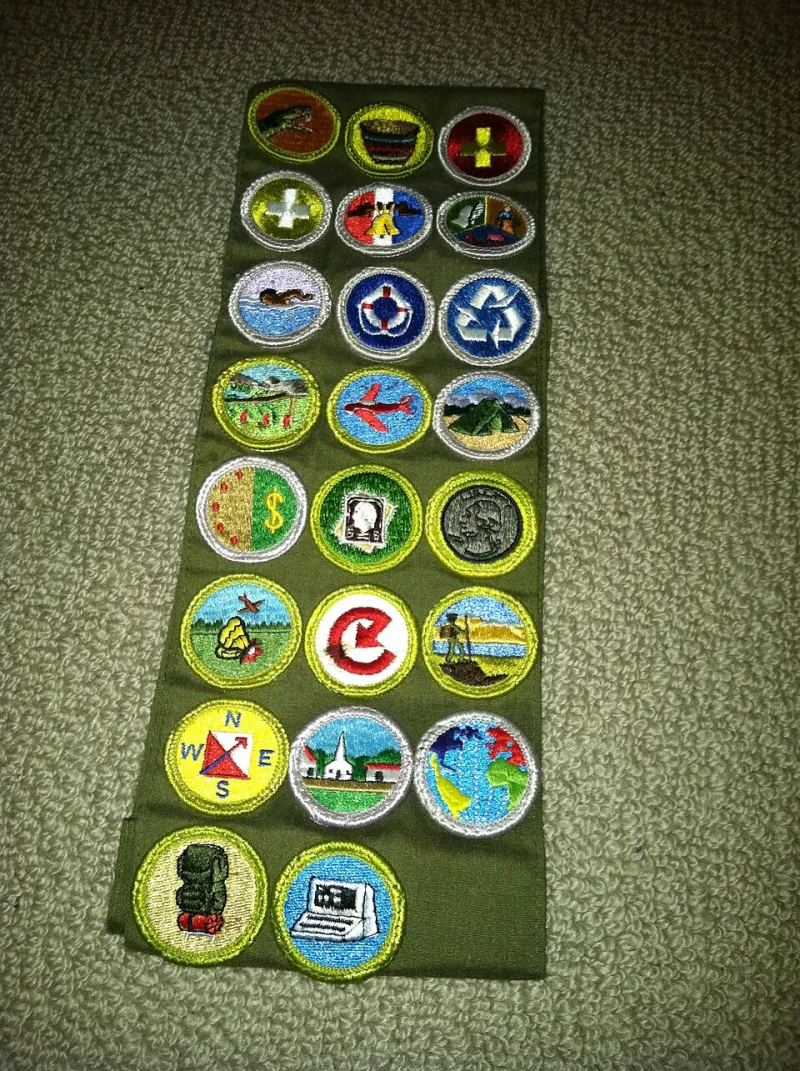
For troops focused on advancement, aquatics programming offers a robust set of merit badge opportunities. The following are among the most pursued within US scouting programs:
Swimming Merit Badge: One of the Eagle-required options in some program paths, this badge covers rescue techniques, stroke mechanics, and water safety principles. Scouts must demonstrate proficiency across multiple swimming styles and distances.
Lifesaving Merit Badge: Building directly on swimming skills, this badge introduces scouts to rescue breathing, reaching assists, throwing assists, and the fundamentals of preventing drowning situations. It is widely regarded as one of the most rigorous merit badges available.
Canoeing and Kayaking Merit Badges: These badges focus on paddle craft safety, water reading, and basic rescue techniques. They are ideal for troops in regions with access to lakes, rivers, or coastal waterways.
Rowing Merit Badge: Less common but equally valuable, this badge teaches scouts the mechanics and safety considerations of rowing watercraft.
Troop leaders looking to connect with certified merit badge counselors for any of these disciplines can search the ScoutDB directory by specialty area and geographic region.
Safety Protocols Every Troop Leader Must Know
Aquatics activities carry inherent risk, and the scouting community has developed robust safety systems to manage that risk responsibly. The following protocols are standard across most council-sanctioned programs:
The Buddy System: No scout swims alone. Pairs are assigned at the beginning of each session, and buddy checks are conducted at regular intervals using a whistle or bell signal. All pairs must respond promptly and visibly.
Qualified Supervision: All aquatics activities must be supervised by adults who hold current certification in aquatics supervision from a recognized body. The specific certification required may vary by council and activity type.
Safe Swim Defense and Safety Afloat: These two frameworks, developed specifically for scouting programs, outline the eight and nine conditions respectively that must be in place before any swimming or boating activity can commence. Troop leaders and adult volunteers should be trained in both frameworks before leading any water-based outing.
Personal Flotation Devices (PFDs): All participants in paddle craft and boating activities must wear properly fitted, Coast Guard-approved PFDs at all times while on the water. No exceptions are permitted regardless of swimming ability.
Planning an Aquatics Event: A Practical Checklist
Organizing a successful aquatics outing requires advance planning across several dimensions. The following checklist is a useful starting point for troop leaders:
- Verify location approval: Confirm the aquatics site is council-approved or has been formally reviewed for safety compliance.
- Confirm supervision credentials: Ensure all supervising adults hold current, appropriate certifications.
- Conduct or verify swim classifications: All participants must have a current classification on file.
- Secure equipment: Inspect all PFDs, paddles, watercraft, and safety throw bags before departure.
- Review emergency action plan: Identify the nearest emergency services, establish communication protocols, and brief all adult leaders.
- Obtain parental permission: Ensure all required consent forms are signed and on hand.
- Check weather conditions: Review forecasts in the 48 hours leading up to the event and establish a cancellation threshold.
Connecting With Aquatics Resources Through ScoutDB
One of the primary functions of the ScoutDB directory is to help troop leaders, council administrators, and community organizers find the resources they need to build strong programs. For aquatics-focused programming, this means connecting with:
- Certified aquatics instructors and merit badge counselors available for troop clinics or individual advancement sessions
- Summer camps and council-operated waterfront facilities that meet established safety standards
- Local organizations such as YMCA chapters, community recreation departments, and Red Cross affiliates that may offer complementary training opportunities
- Equipment lending programs that help troops in lower-resource communities access canoes, kayaks, and safety gear without significant capital investment
Using the ScoutDB search tools, leaders can filter by program type, certification held, and geographic proximity to find the right partners for their troop's aquatics goals.
Building a Culture of Water Safety Year-Round
Aquatics training should not be treated as a seasonal activity confined to summer camp. Troops that integrate water safety education into their year-round programming — through indoor pool sessions in winter months, classroom-based safety instruction, or first aid training that incorporates aquatic rescue — tend to produce scouts who are more confident and more capable when the warmer months arrive.
Encouraging scouts to pursue certifications such as CPR, First Aid, and even junior lifeguard credentials through community programs also reinforces the values at the heart of scouting: preparedness, service, and personal responsibility.
For troop leaders ready to expand their aquatics programming or locate credentialed support in their area, ScoutDB remains a trusted starting point. The directory continues to grow with verified listings from councils, instructors, and program providers across all fifty states — ensuring that every troop, regardless of location or resources, has access to the information it needs to keep youth safe and engaged on the water.